
Samsung’s getting ready to drop something special this February, and the buzz around the Galaxy S26 is getting louder by the day. If you’ve been holding onto your old phone waiting for the right upgrade, this might be what you’ve been looking for.
The upcoming flagship promises some genuinely useful improvements over last year’s model. We’re talking better cameras, brighter displays, and the kind of performance upgrades that actually matter in daily use. Let me walk you through what makes this phone worth your attention.
When Can You Actually Buy The Galaxy S26?
Mark your calendar for February 25, 2026. That’s when Samsung is hosting its Unpacked event, likely in San Francisco. Multiple leaks have confirmed this date, and it lines up perfectly with Samsung’s Wednesday launch tradition.
Here’s the timeline you should know. Pre-orders open immediately after the announcement, but actual shipping starts in early March. Some regions might see a staggered rollout, so availability could vary depending on where you live. If you’re eager to get your hands on one, expect retail availability around March 11.
The company’s also bringing back the Plus model, which pushed the timeline slightly compared to previous years. This shuffle makes sense since they’re dropping the Edge variant that was initially planned.
What About The Price Tag?
Good news for your wallet. Samsung’s keeping prices stable despite rising component costs. The base Galaxy S26 starts at the same price point as last year, which is refreshing in today’s market.
The Ultra model maintains its $1,299 starting price for the 256GB variant. That’s actually competitive when you consider what you’re getting. Storage options include 512GB and 1TB versions, with the top tier offering 16GB of RAM for serious multitaskers.
European buyers might face slightly higher prices in some markets, but US pricing remains unchanged. The base 128GB option is gone across the lineup, making 256GB the new entry point. This mirrors Apple’s move with the iPhone 17 and honestly makes more sense given how apps and media files keep growing.
Design Changes That Actually Matter
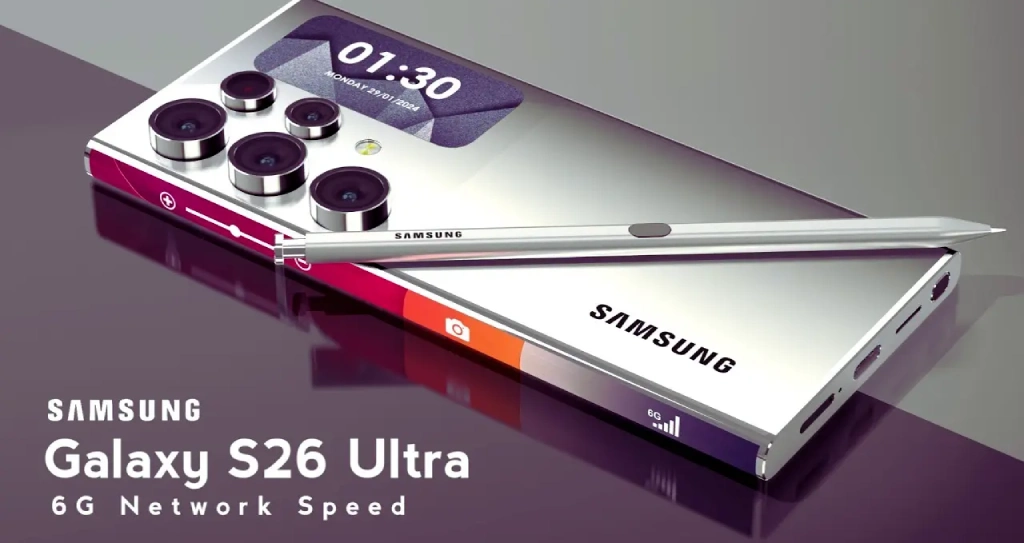
Samsung’s tweaking the look this year, though, don’t expect a complete overhaul. The most noticeable change is the new pill-shaped camera island that replaces the individual floating lenses. It gives the phone a cleaner, more unified look on the back.
The base S26 measures 149.6 x 71.7 x 7.2mm and weighs just 137 grams. That’s impressively light for a flagship phone. The Plus variant comes in at 158.4 x 75.8 x 7.3mm, weighing 190 grams. Both phones feel solid without being bulky.
Build quality includes IP68 water resistance, so accidental spills or rain won’t ruin your day. Color options are expected to follow Samsung’s recent palette, though specific shades haven’t been officially confirmed yet.
Display Technology Worth Upgrading For
This is where Samsung really shows off. The base S26 features a 6.3-inch FHD+ Dynamic AMOLED 2X display with a 120Hz refresh rate. Peak brightness hits 2,600 nits, which means you can actually see your screen clearly under direct sunlight.
The Plus model bumps up to a 6.7-inch QHD+ panel with the same refresh rate and brightness specs. Both phones get Gorilla Armor 2 protection, which is significant because it includes an anti-reflective coating. Previously, this was an Ultra-exclusive feature.
What makes these displays special isn’t just the numbers on paper. The M14 LTPO technology adjusts refresh rates intelligently to save battery while keeping animations buttery smooth. Whether you’re scrolling through social media or watching videos, everything looks crisp and responsive.
Performance: The Processor Debate Continues
Here’s where things get interesting. If you’re in the US, you’ll get the Snapdragon 8 Elite Gen 5 processor. European and some other markets will receive Samsung’s Exynos 2600 chip.
Both processors are built on advanced 3nm processes, which sounds technical but translates to better performance with less battery drain. The Snapdragon variant uses Qualcomm’s latest Oryon V3 Phoenix L cores running at 4.6GHz, paired with an Adreno 840 GPU.
RAM starts at 12GB across all models, with options going up to 16GB on higher tiers. Storage uses UFS 4.0 technology, meaning apps load faster and file transfers happen in seconds rather than minutes. For gaming, AI tasks, or just running multiple apps simultaneously, you’ve got plenty of horsepower.
Camera Upgrades
The camera situation is a bit mixed this year. The base S26 keeps the 50MP main sensor but might get a larger sensor that captures more light. That’s actually more important than megapixel count for photo quality.
Camera setup includes a 50MP main, 12MP ultrawide, and 10MP telephoto with 3x optical zoom. Some rumors suggest the telephoto might bump to 12MP, though that’s not confirmed. The Ultra model goes bigger with a 200MP main sensor and upgraded zoom capabilities.
AI photography features get smarter, too. Samsung’s pushing enhanced low-light performance, better HDR processing, and improved portrait mode. Video recording supports 8K at 30fps, though most people will stick with 4K for better stabilization and file sizes.
What matters more than specs is how these cameras perform in real situations. Early hands-on reports suggest noticeable improvements in challenging lighting conditions and moving subjects.
Battery Life And Charging Speeds
The base S26 packs a 4,300mAh battery, while the Plus model increases to 4,900mAh. Battery capacity alone doesn’t tell the full story since the more efficient processors and displays help stretch usage time.
Charging speeds remain consistent with previous generations. You’re looking at wired charging that gets you through a full day with a quick top-up. Wireless charging support is included, along with reverse wireless charging for powering up your Galaxy Buds or smartwatch.
The Ultra model maintains its 5,000mAh capacity but upgrades to 60W wired charging, which is a meaningful improvement over previous models. Real-world battery life will depend on your usage patterns, but Samsung’s optimization between hardware and software should keep you covered from morning to evening.
Software: One UI 8.5 And Galaxy AI
The Galaxy S26 launches with Android 16 and Samsung’s One UI 8.5 on top. This version brings enhanced AI capabilities that actually feel useful rather than gimmicky.
Galaxy AI gets upgraded with new on-device tools that don’t require constant internet connectivity. Privacy Display technology processes information locally, which means your data stays on your phone. Samsung’s also opening up Galaxy AI to third-party chatbots beyond just Gemini and Bixby, with Perplexity reportedly joining the mix.
Software support includes four years of major Android updates and five years of security patches. That’s important if you’re planning to keep this phone for a while, and it matches what competitors like Google offer with their Pixel lineup.
Galaxy S26 Vs Galaxy S25: Worth The Upgrade?
If you’re on an S25, the improvements are incremental rather than revolutionary. The brighter display with anti-reflective coating on base models is nice. Camera enhancements might tempt photography enthusiasts. Performance gains from the new processors won’t dramatically change your daily experience.
However, if you’re coming from an S23 or older, the jump makes more sense. You’re getting significantly better cameras, much brighter displays, faster processors, and longer software support. The cumulative upgrades over two or three generations add up to a meaningful difference.
Who Should Actually Buy This Phone?
The Galaxy S26 makes sense for several types of users. Power users who need top-tier Android performance will appreciate the processing power and RAM options. Photography lovers get capable cameras with AI enhancements that work in various lighting conditions.
If you’re deep in Samsung’s ecosystem with Galaxy Watch, Buds, and other devices, the seamless integration is hard to beat. Business users benefit from Samsung’s security features and productivity tools.
The phone might not be ideal if you’re on a tight budget, since flagship pricing remains premium. Casual users who mainly text, browse social media, and take occasional photos might find better value in Samsung’s mid-range A-series.
Should You Wait Or Buy Now?
This depends on your current situation. If your phone is struggling, buying a current-gen flagship on sale makes sense rather than waiting. Samsung typically offers good trade-in deals at launch, so your upgrade could be more affordable than expected.
Waiting for the S26 makes sense if you want the latest features and can hold out until March. The brighter displays, newer processors, and improved cameras represent meaningful upgrades over the S25. Pre-order bonuses often include accessories or credit toward Samsung products.
Final Thoughts
The Samsung Galaxy S26 shapes up as a solid flagship that refines rather than reinvents. Samsung’s playing it safe with evolutionary improvements, which isn’t necessarily bad. Sometimes the best upgrades are the ones that simply work better without requiring you to relearn everything.
Brighter displays that you can actually see outdoors, cameras that handle tricky lighting, and processors that won’t slow down after a year matter more than flashy new features. Samsung’s commitment to keeping prices stable while improving key areas deserves credit in today’s market.
Whether you should upgrade depends on what you’re using now and what matters most to you. Photography enthusiasts have real reasons to consider the jump. Display quality improvements benefit everyone. The combination of performance, cameras, and software support positions the S26 as a competitive flagship for 2026.

Leave feedback about this